
The team ahead of the curve
Meet the athletes and coaches who are pushing Team USA Bobsled/Skeleton to greatness with talent, technique and the power of data.



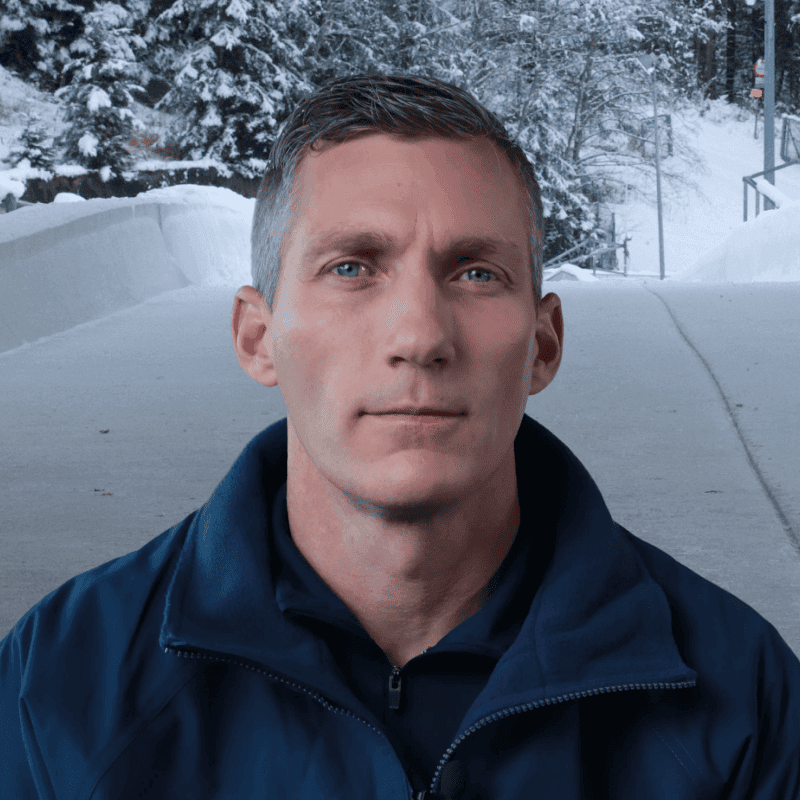
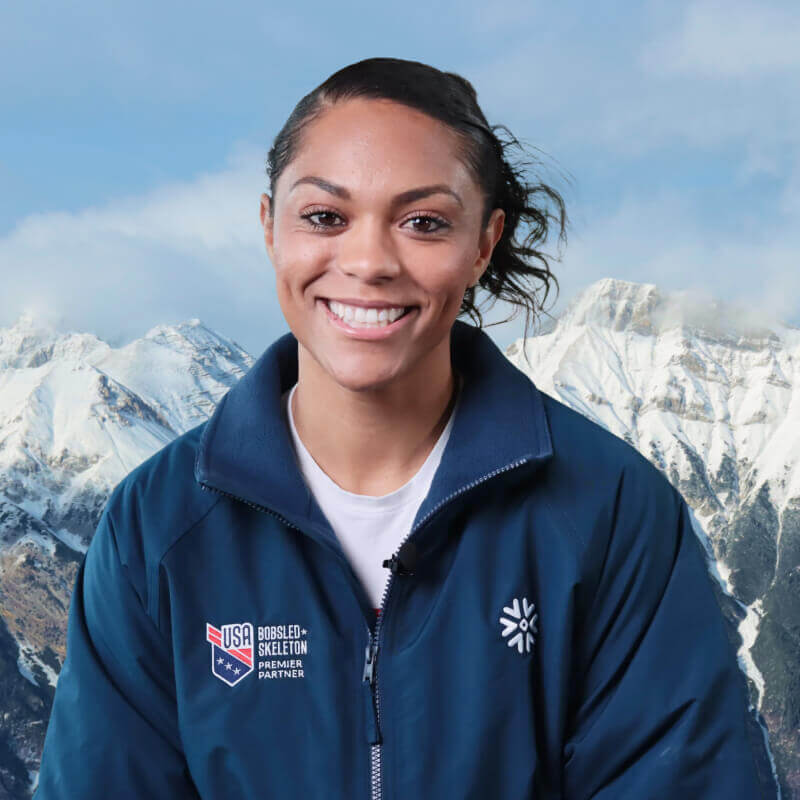
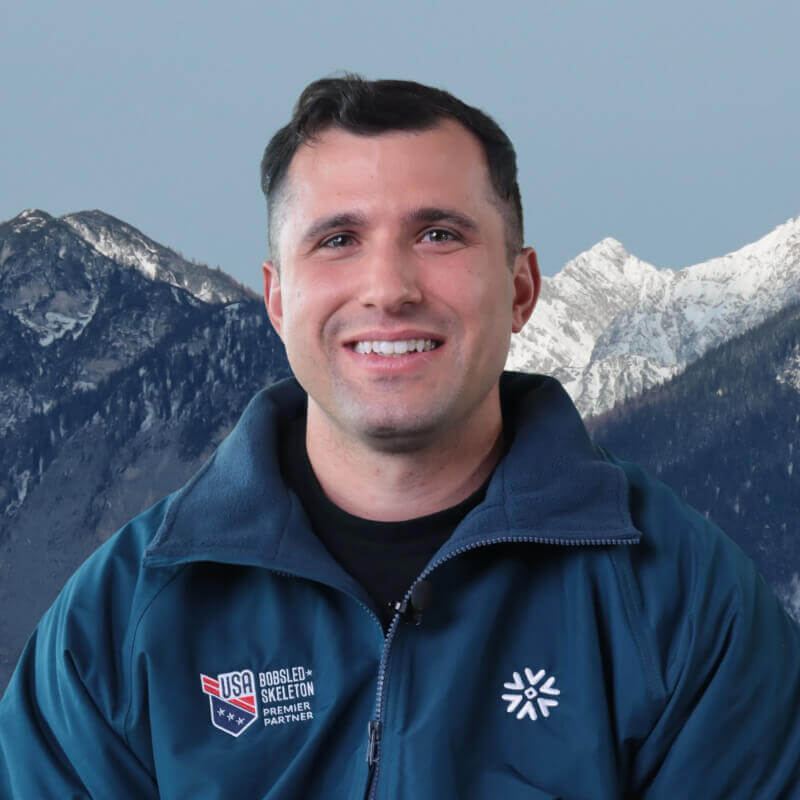

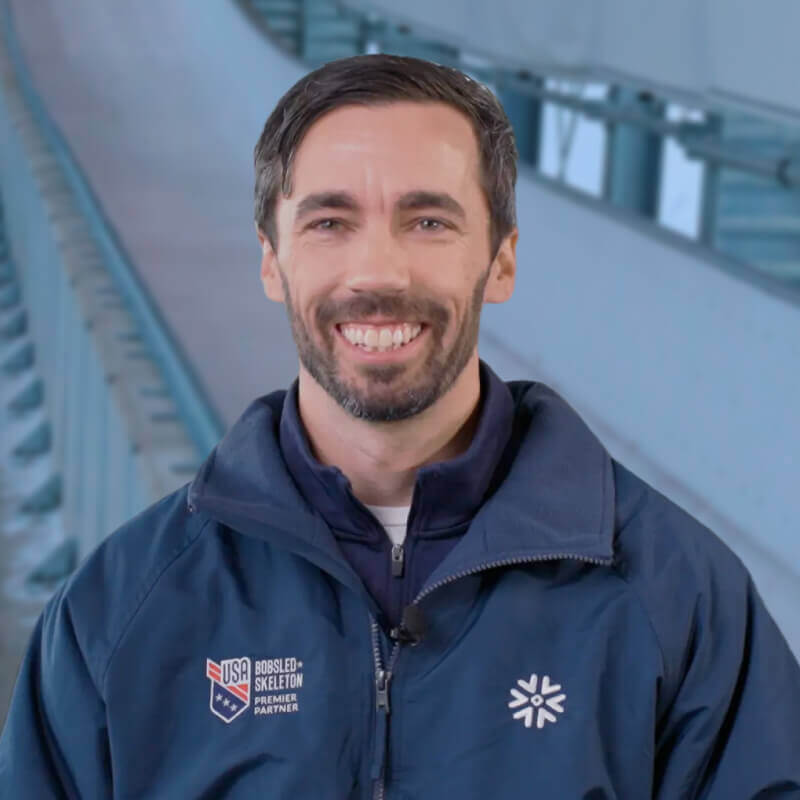
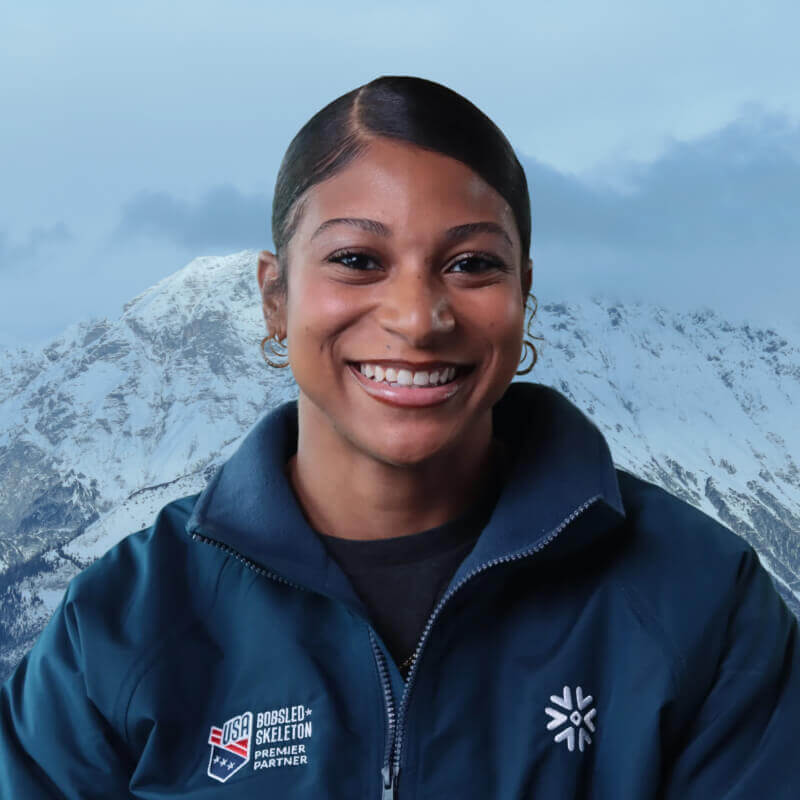

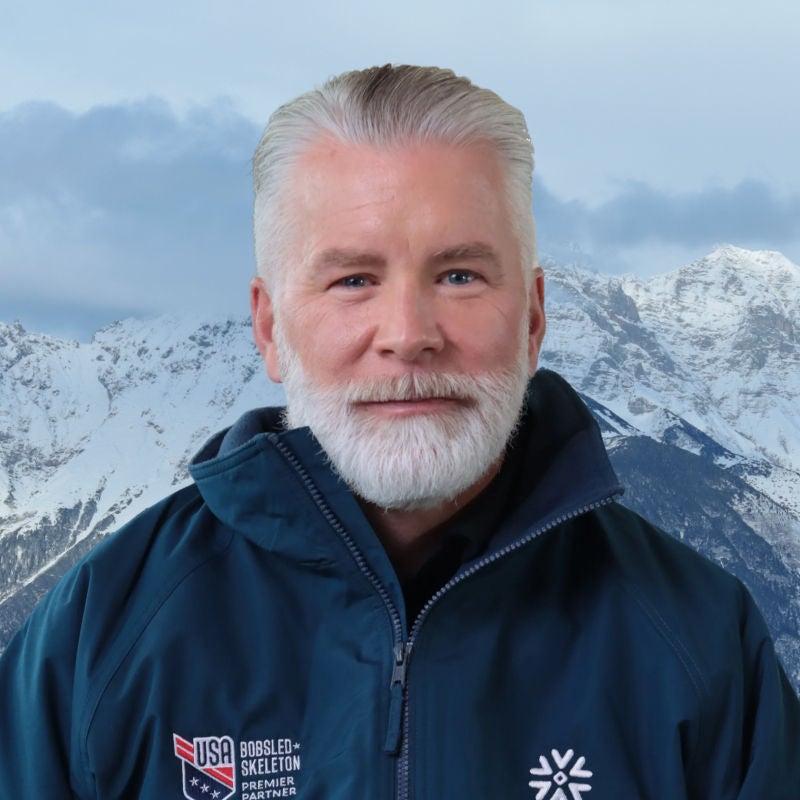
Head Coach for Team USA Bobsled
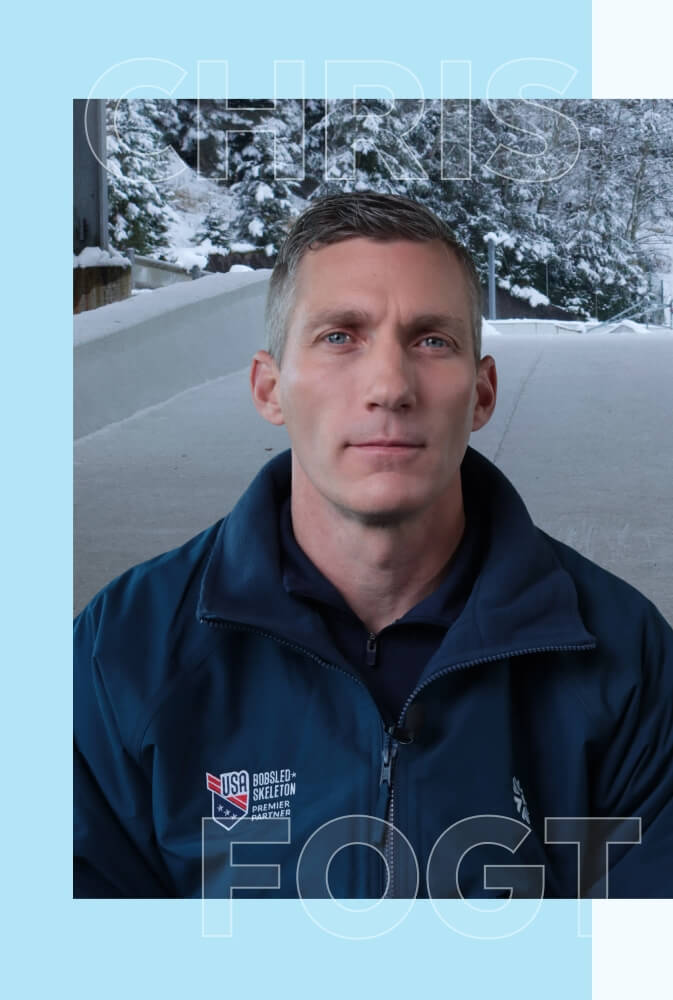
Chris Fogt
A three-time Olympian and silver medalist in the famed "Night Train" sled at Sochi 2014, Chris Fogt now leads the next generation of American sliders. Balancing his role as head coach with his rank as a Lieutenant Colonel in the U.S. Army, Chris brings a philosophy of relentless discipline to the track, combining military precision with cutting-edge data to chase Olympic gold.
Hometown
Alpine, UT
three-time olympian
2010 Vancouver, 2014 Sochi, 2018 PyeongChang

The 30-m.p.h. dance
The most critical data point for the team is the push, which Chris describes as a "choreographed dance" where all four athletes must jump into a 400- to 500-pound sled while it’s already moving at speeds of up to 30 m.p.h.

Ending “bro science”
Chris is actively transitioning the team away from what he calls “bro science” — historical guesswork on what makes a sled fast — toward concrete data, using analytics to determine the optimal load point based on the track’s gradient to maximize velocity.

The grind behind the glide
Dispelling the movie magic of the sport, Chris notes the grueling reality of training: Three to four hours of physical preparation, including moving heavy sleds and equipment by hand, to achieve just two minutes of actual slide time down the ice during practice.
Team USA bobsled pilot
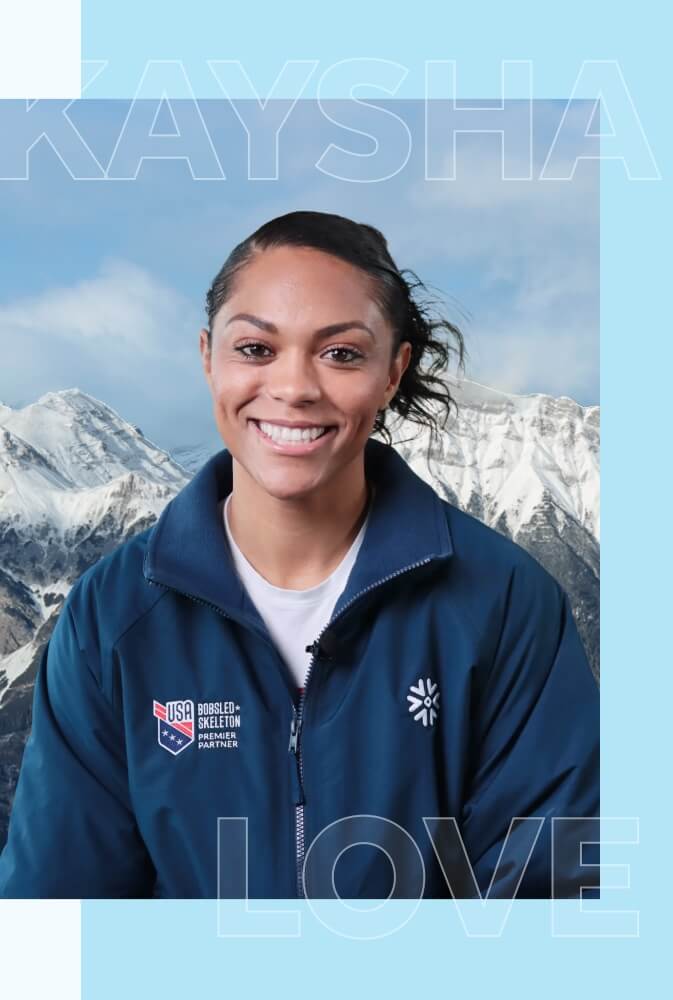
Kaysha Love
Kaysha is a study in rapid adaptation and precision. A former gymnast and Division I sprinter, Kaysha made her Olympic debut in Beijing just 10 months after sitting in a bobsled for the first time. In 2025 alone, Kaysha won gold medals at both the Women’s Monobob World Championship in March and the World Cup in November, marking Team USA’s first gold of the 2025/2026 season.
Hometown
Herriman, UT
OLYMPIC APPEARANCE
Beijing 2022

The mind run
Listening to a soundtrack of instrumental music, Kaysha performs 20 “mind runs” every day, visualizing the track, practicing her execution and using her hands to mimic the pressure of every curve.

Sanding away milliseconds
Kaysha notes that bobsled athletes often double as team mechanics. She hosts “sanding parties,” where the team spends up to eight hours manually polishing steel runners with diamond paste to gain a fraction of a second advantage.

Numbers don’t lie
Kaysha relies on data over gut feelings, using concrete analytics to strip away emotion and uncover the optimal technique for the best run possible.
Team USA bobsled pilot
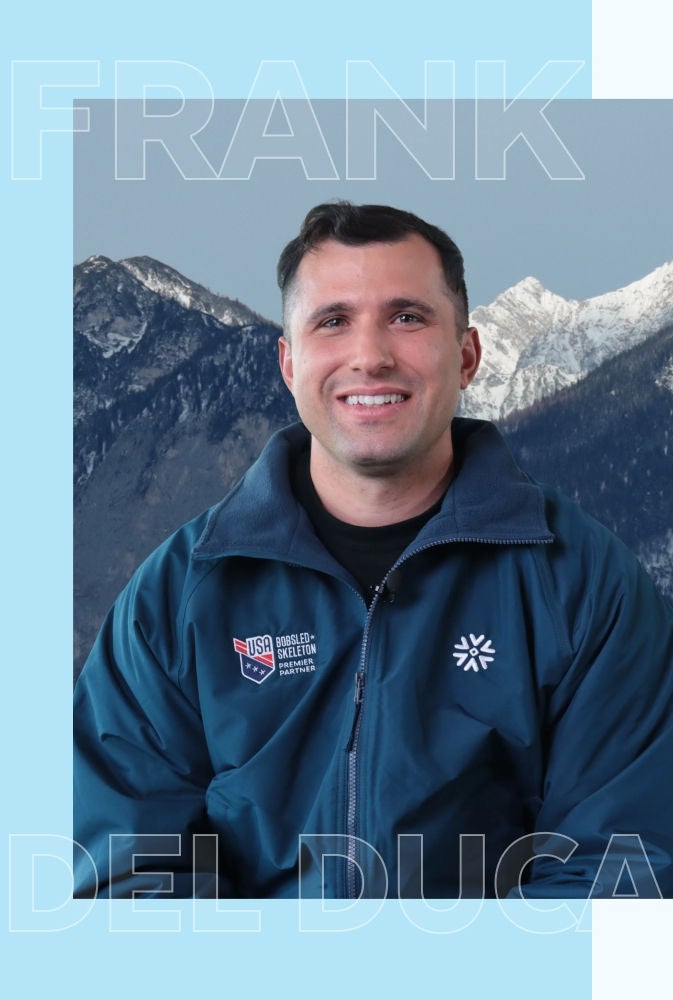
Frank Del Duca
A Sergeant in the U.S. Army, Frank Del Duca uses his background in alpine skiing and track to bring speed and skill to Team USA. Originally joining the team as a push athlete in 2015, Frank spent three years learning the nuances of the track before transitioning to the driver’s seat to take full control of the sled. Frank piloted Team USA to a career-best 4th place finish in both the 2-Man and 4-Man events at the 2025 World Championships.
Hometown
Bethel, ME
OLYMPIC APPEARANCE
Beijing 2022

From the track to the ice
Introduced to bobsled by his college track and field coach, Frank made Team USA immediately, moving from tryouts to the World Cup circuit in just a few months.

Slow motion at 90 mph
Despite the high g-forces and speed, Frank processes the race in slow motion, taking mental snapshots of the track that allow him to make precise inputs to the steering cables without disturbing the sled's momentum.

Chasing hundredths with data
After granular data revealed he was losing velocity in a specific section of the track, Frank abandoned a driving line he had used for years, resulting in an immediate gain of nearly a tenth of a second — a massive margin in bobsled.
Team USA bobsled Brakeman
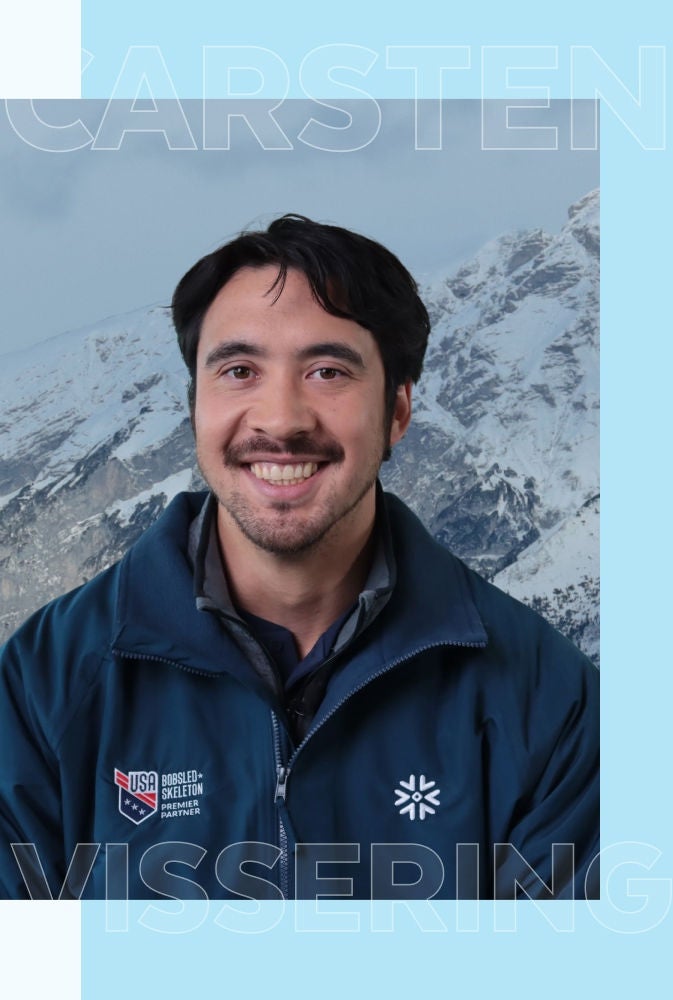
Carsten Vissering
USC alum Carsten Vissering brings a unique athletic background to the U.S. Men's National Bobsled Team. An NCAA and Pac-12 champion, four-time All-American and World University Games competitor in swimming, he now brings his power from the pool to the ice, using raw strength and speed to fuel a medal-contending start.
Hometown
Bethesda, MD
Four-time All-American for Swimming
USC

From swim lanes to start lines
The first former swimmer to make the Men's National Team, Carsten was known as “the lifter who swam” in college due to his obsession with the weight room. This dedication now translates into the explosive power needed for an elite push.

Precision pushing
A self-described “data geek,” Carsten used velocity data to pinpoint the exact moment — at the 40-meter mark — where his running speed no longer accelerated the sled, using that number to dictate his exact loading strategy and boost performance.

Espresso fueled
Carsten relies on Hans Zimmer soundtracks and six to eight shots of espresso to get into competition mode before a race.
head coach for team USa skeleton
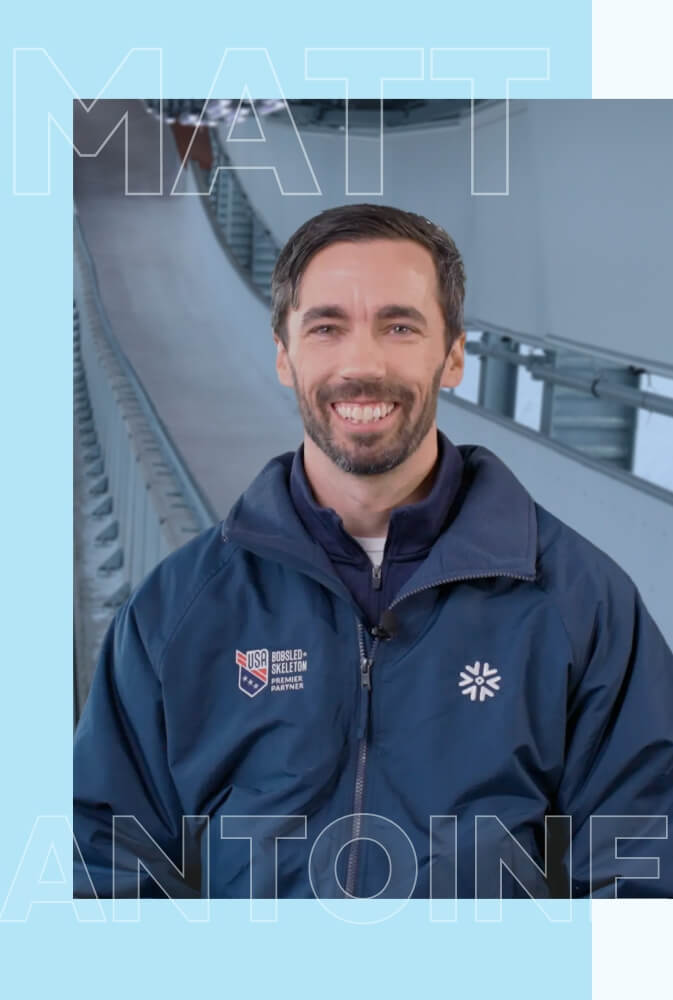
Matt Antoine
2014 Olympic bronze medalist Matt Antoine brings his championship pedigree to the role of head coach for the USA Skeleton team. With 16 years of competitive experience, he uses data to inform training, optimize velocity and prepare sliders for the technical demands of the Milano Cortina Games.
Hometown
Prairie du Chien, WI
OLYMPIC APPEARANCES
Sochi 2014, PyeongChang 2018

Entering the reaction era
The new Mixed Team Event for Milano Cortina 2026 requires athletes to explode off the block the moment the clock starts, which has shifted the team's training focus to start velocity and reaction times.

Precision over repetition
A single skeleton run is a violent, jarring experience. To manage the physical toll, Antoine limits training to just two to three runs per day, using data visualizations to arm athletes with easy-to-understand guidance that make those limited opportunities count.

Built to slide
Skeleton athletes are the aerodynamics of the sled, meaning success depends on the right balance of physique, power, grit and data insights to steer athletes to success.
Team USA bobsled Brakeman
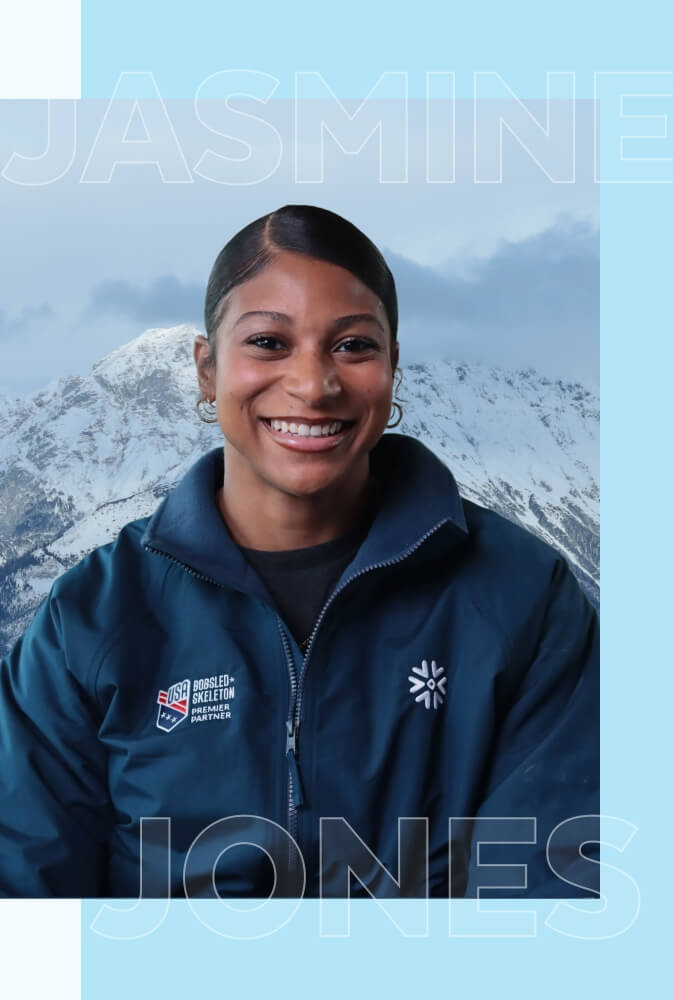
Jasmine Jones
Brakeman Jasmine Jones brings aggressive, fast-paced finesse to the ice. A former sprinter for Eastern Michigan University and a member of the U.S. Air Force, Jasmine has quickly established herself as a vocal and powerful presence on the World Cup circuit, known for her explosive starts and competitive fire. At Paris 2024, Jasmine was a key member of the 2024 Team USA Track & Field team, finishing fourth in the 400m Hurdles final.
Hometown
Greensburg, PA
OLYMPIC APPEARANCE
Paris 2024, Track and Field

Is this real?
Jasmine almost missed her bobsled career entirely. When she received the initial recruitment email from legendary pilot Elana Meyers Taylor, she assumed it was spam and deleted it. It wasn't until her college strength coach confirmed the opportunity was legitimate that she began to explore bobsled.

The long jump
Jasmine uses velocity metrics to determine her loading style, switching from a step-in load to a long jump load because the numbers proved it created higher velocity, despite being riskier.

Thrill of the chase
Unlike some athletes who want a quiet training session, Jasmine prefers to train alongside her toughest competition, using their split times as real-time targets to chase down during practice.
Team USA SKELETON athlete
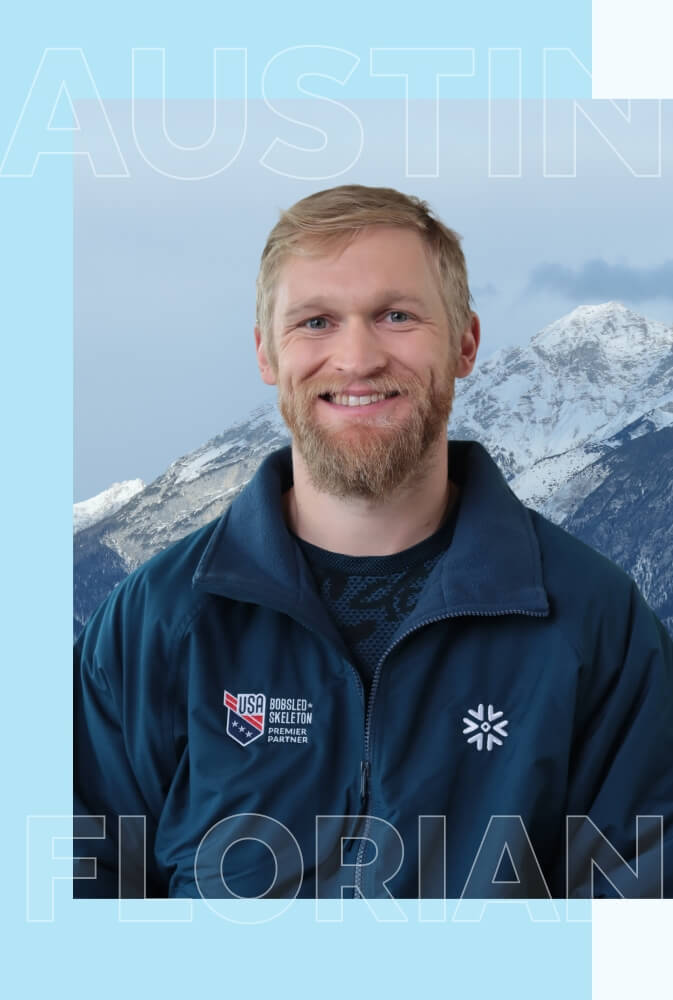
Austin Florian
Eight-season World Cup veteran Austin Florian balances a full-time career as a manufacturing engineer with life on the U.S. Skeleton National Team. A former collegiate skier, he brings a unique mix of analytical accuracy and fearless fortitude to the ice, aiming to turn subtle adjustments into medal-winning speed. Austin holds the USA Skeleton start record and recently won the gold medal in the Mixed Team event at the 2025 World Championships.
Hometown
Southington, CT
One-Time Gold Medalist
2025 World Championships

From skier to slider
Austin’s entry into skeleton was pure chance after spotting a recruitment flyer while visiting Lake Placid for ski racing. He went from his first practice run to launching from the top of the track in just four days.

Engineering edge
A self-described "huge data guy” and engineer by trade, Austin uses graphs of his split times against the rest of the field to visualize where he is losing milliseconds and sharpen his skill.

The difference a toe makes
While big movements from shoulders and knees can "cut ice" and create drag, Austin takes a more invisible approach, often steering by simply tapping a toe on the ice — a subtle micro-adjustment that requires both instinct and data insights.
Sport Performance Coach and historian for Team USA Bobsled/Skeleton
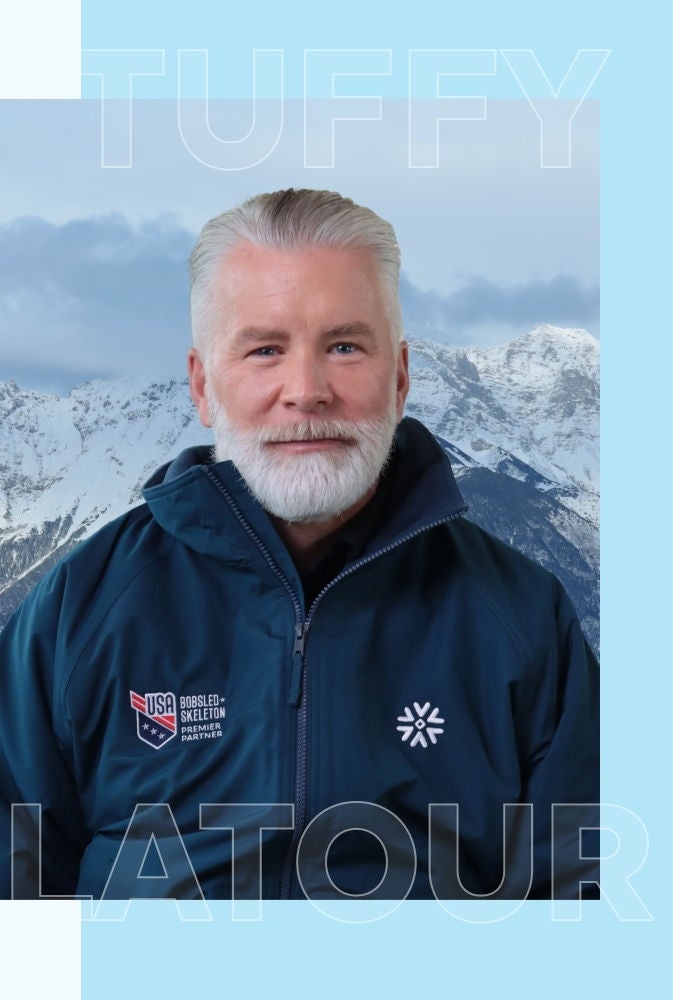
Tuffy Latour
Tuffy Latour doesn’t just coach the sport; he carries its lineage. With a grandfather who raced in the Olympic Games St. Moritz 1948 to help “reset his brain” after WWII, Tuffy was practically born on the ice. A former slider himself in the 90s and a coach since 1998, he bridges the gap between the sport's gritty past and its high-tech future, ensuring Team USA Bobsled/Skeleton understands the legacy they are pushing forward.
Hometown
Saranac Lake, NY
One-Time Silver Medalist
2002 Salt Lake City, 2006 Torino, 2010 Vancouver, 2014 Sochi, 2018 PyeongChang

An unlikely bobsled birthplace
Even the Swiss credit Albany, NY, as bobsled’s true origin point, notes Tuffy. In the late 1800s, lumberjacks raced massive 15-man sleds down frozen streets to blow off steam long before the sport reached Europe.

Deleting the delay
The single biggest shift in competitive advantage is the speed of information. In the 1990s, athletes had to wait until the evening to watch their runs on VHS. Today, coaches use tablets to instantly analyze runs between heats, allowing for immediate micro-corrections in steering or body position.

The blind roar
Tuffy describes a distinct sensory difference between the pilot and the crew during a run. While pilots see the track, the crew flies blind. Tucked low, they endure a deafening chaos of wind and grinding ice at 90 m.p.h., unable to see or anticipate the violent G-forces slamming into them.
Stay connected
Milano cortina 2026
Snowflake is the Official Data Cloud Provider for the USA Bobsled/Skeleton team, helping sharpen their competitive edge at the Olympic and Paralympic Winter Games Milano Cortina 2026.
LA28 games
Snowflake is the Official Data Collaboration Provider for Team USA and the LA28 Olympic and Paralympic Games, helping to power the most data-driven Games of all time.
