
What Is Multicloud and Why Multicloud Observability Matters
As organizations adopt services across multiple cloud providers, maintaining visibility into applications and infrastructure becomes increasingly important. Observe by Snowflake helps teams bring telemetry together for a more connected view of their cloud environments, supporting investigation, troubleshooting and operational insights.
MULTICLOUD DEFINED
Multicloud refers to the use of services from multiple public cloud providers within an organization.
Understanding multicloud
Organizations adopt multicloud environments for many reasons, including access to specialized services, geographic requirements, resilience strategies and existing technology investments. In some cases, multicloud adoption is intentional; in others, it evolves as teams select technologies to meet different business and technical needs.
Although multiple cloud providers offer many similar capabilities, each environment has its own services, interfaces and operational considerations. As applications and dependencies span providers, understanding how their components interact can become more challenging.
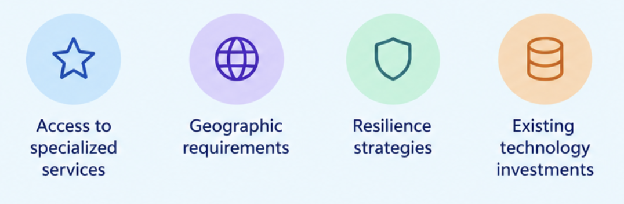
Figure 1: Why organizations adopt multicloud.
Why multicloud observability matters
Observability helps engineering teams understand application behavior by analyzing telemetry such as logs, metrics and traces. In multicloud environments, this information may originate from different providers, services and infrastructure layers.
When telemetry is distributed across separate tools, investigating an issue may require teams to switch between interfaces and correlate information manually. A more connected approach can help teams examine related signals across their environments and develop a clearer understanding of application behavior.
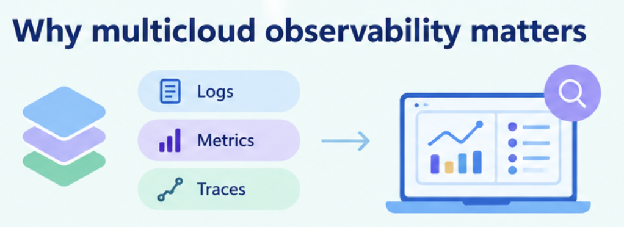
Figure 2: Why multicloud observability matters.
Effective multicloud observability can help organizations:
- Improve visibility across distributed applications and infrastructure.
- Investigate issues using telemetry from multiple cloud environments.
- Correlate related information to support troubleshooting.
- Support operational workflows as cloud environments evolve.
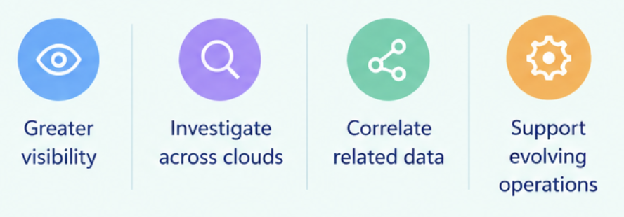
Figure 3: Benefits of multicloud observability.
Observe by Snowflake is an AI-powered observability platform designed to help teams analyze telemetry and investigate issues across complex, distributed environments.
Observe Apps bundle the relevant integrations for all three major cloud providers: AWS, Azure and GCP. The AWS App, for example, makes it easier to collect telemetry from AWS services and find that data once it's in Observe. With many AWS services monitored in one place, teams can spend less time troubleshooting and more time building applications and services for their customers.
The Azure and GCP Apps work the same way, and the range of services they cover keeps growing. Bringing telemetry from every cloud into one shared environment also means teams don't have to investigate each source on its own.
Once telemetry reaches Observe, it is stored in the Telemetry Lakehouse Foundation, built on Snowflake, and related signals are mapped through the Observability Context Graph. The Context Graph shows teams their connected datasets and the things they care about, anywhere from Amazon S3 buckets to Kubernetes clusters on Amazon EKS. Together, the Telemetry Lakehouse and the Context Graph make on-demand retrieval possible. Teams can explore their telemetry based on the questions they need to answer and follow relationships across services and infrastructure as troubleshooting needs change.
By bringing multicloud telemetry into a common analytical environment, Observe helps engineering teams work toward a more connected understanding of their applications and infrastructure.
Managing observability at multicloud scale
As organizations expand their cloud environments, telemetry volumes and analytical requirements can grow. Observability strategies must account for data ingestion, storage, retention, query workloads and the costs associated with operating the platform.
Observe by Snowflake provides an approach to observability built around analyzing operational data at scale. Its usage-based pricing model is designed to help customers align platform consumption with their analytical needs. Actual costs depend on usage, configuration and applicable pricing terms.
A well-designed multicloud observability strategy should also consider data collection, access controls, retention requirements and the operational workflows needed to investigate incidents. These considerations help organizations build an approach that supports visibility while accounting for technical and business requirements.
Explore Observe by Snowflake to learn how a connected approach to observability can support your multicloud environment.
KEY TAKEAWAY
Multicloud observability helps teams investigate applications and infrastructure across cloud providers. Observe by Snowflake provides a shared environment for analyzing telemetry and supporting troubleshooting across distributed systems.
Frequently Asked Questions
Your common questions about multicloud, answered by Snowflake experts.
What is the difference between multicloud and hybrid cloud?
Multicloud means using services from more than one public cloud provider, such as AWS, Azure and GCP. Hybrid cloud combines public cloud services with on-premises or private cloud infrastructure. An organization can be both: for example, it might run workloads on two public clouds and in its own data center.
Why do organizations use multiple cloud providers?
Organizations adopt multicloud to access specialized services, meet geographic requirements, support resilience strategies and build on existing technology investments. Some plan a multicloud strategy on purpose. Others end up with one as teams choose technologies to meet different business and technical needs.
Explore Observability Resources
Explore Observability Topics
Deep dives into every aspect of observability
