Video
Introducing Observe by Snowflake
Jeremy Burton, Snowflake GM of Observability, introduces a new model for observability built natively on the Snowflake lakehouse.
AI-powered observability at scale. Unify logs, metrics and traces on a cost-efficient Snowflake lakehouse, using an integrated AI SRE that helps resolve incidents faster.
BENEFITS
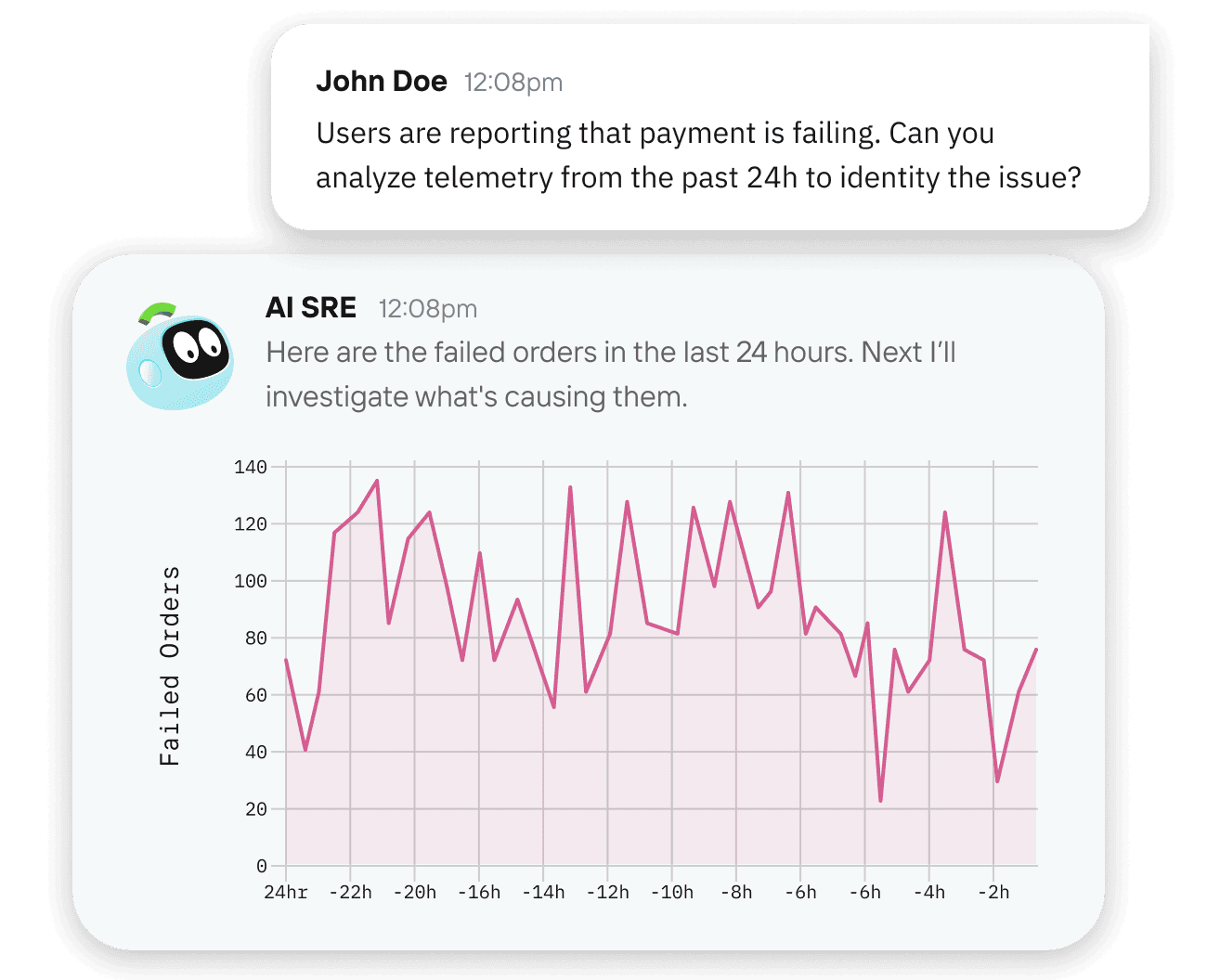
Programmable AI SRE
The Observe AI SRE, CLI and MCP Server support developers, engineers, DevOps and SREs where they are, enabling custom agentic workflows.
Context Engineered for Accuracy
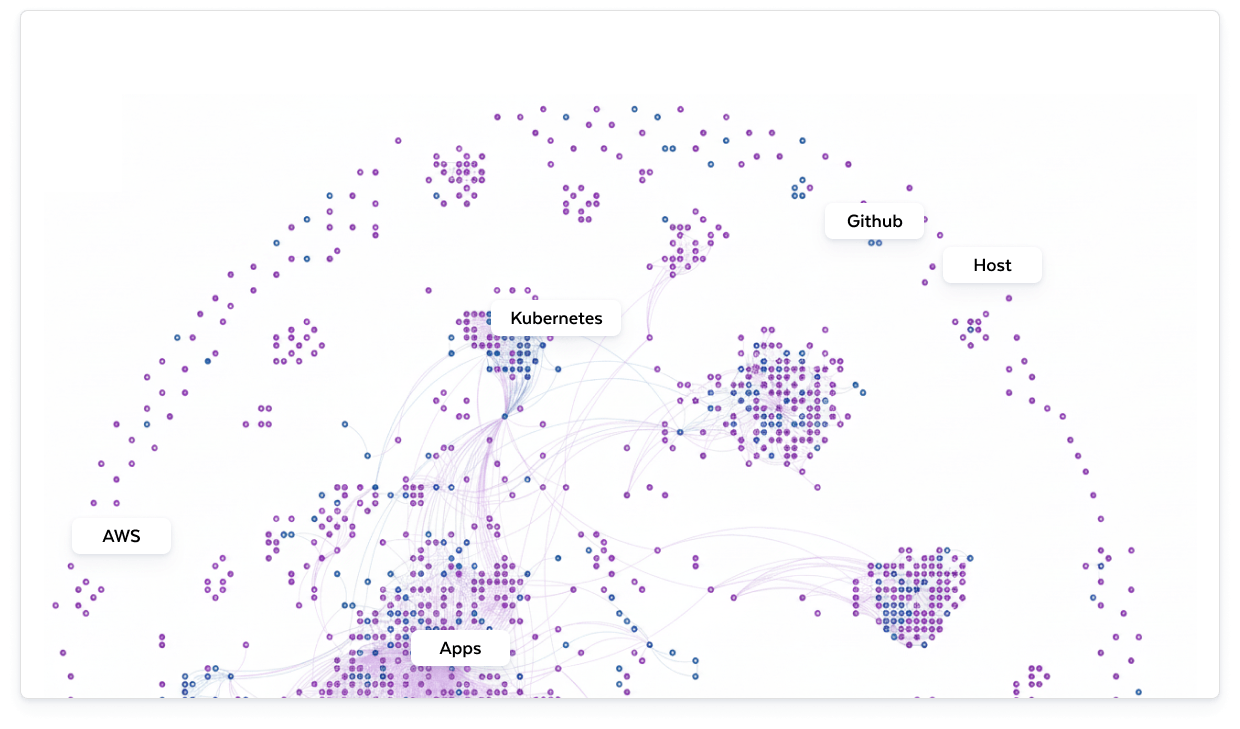
The Observability Context Graph maps semantics and relationships across logs, metrics and traces, extending to code and business context — so you get faster, more accurate reasoning.
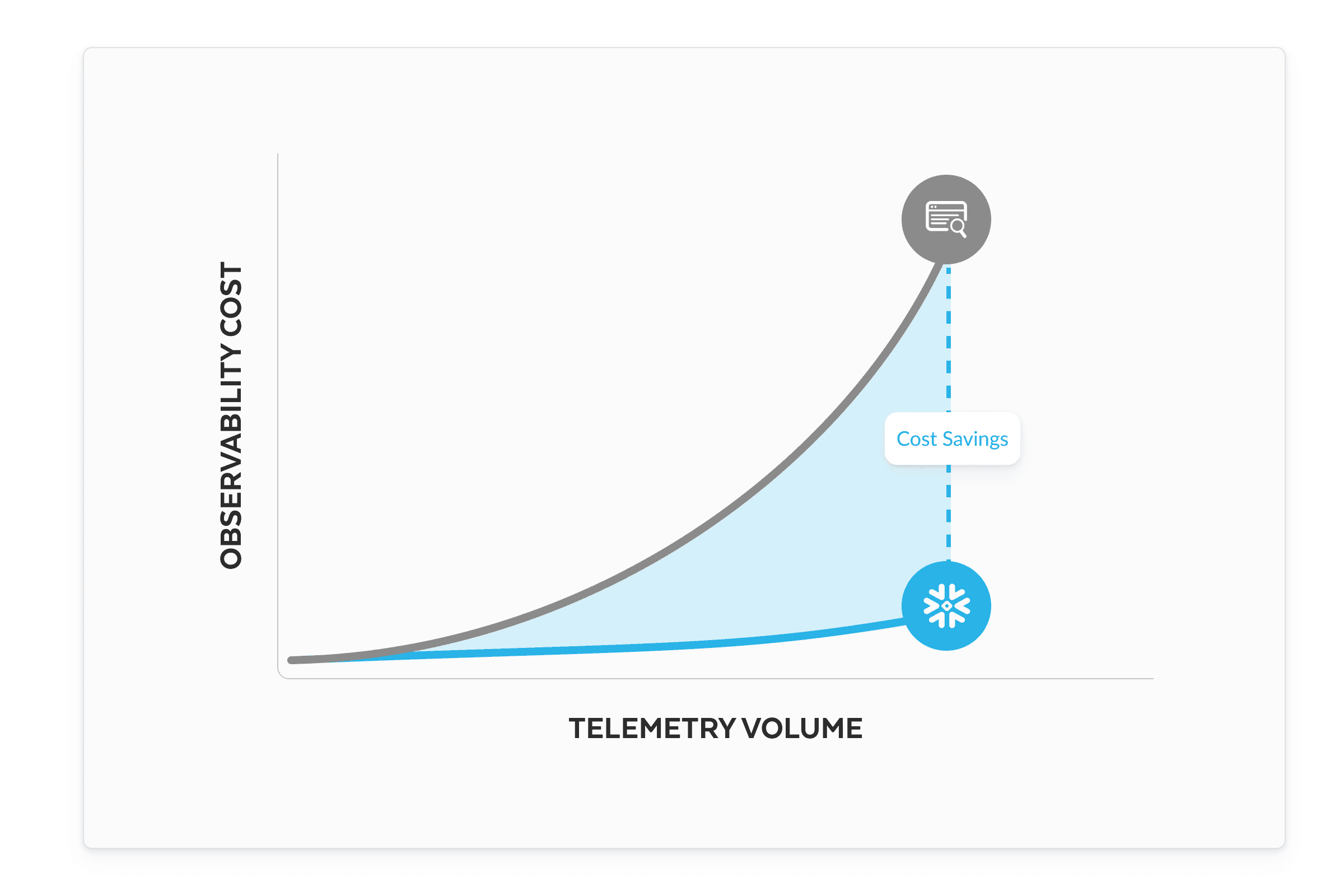
Cost-Efficient Scale
Observe’s Telemetry Lakehouse Foundation, built on Snowflake, offers low-cost cloud storage and compute-storage separation to ingest, store and analyze more data at lower cost.
use cases
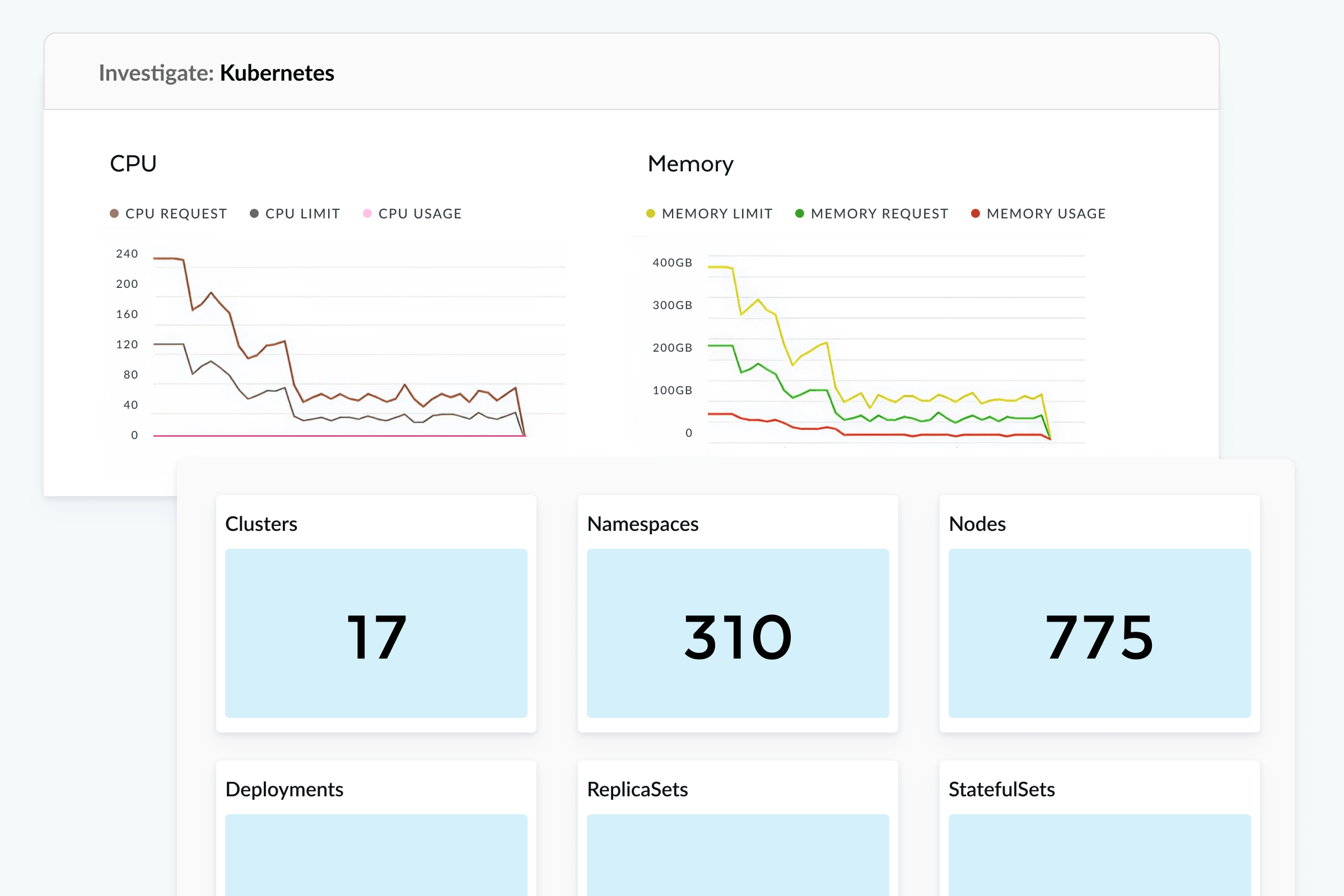
INVESTIGATE AND ROOT CAUSE FASTER
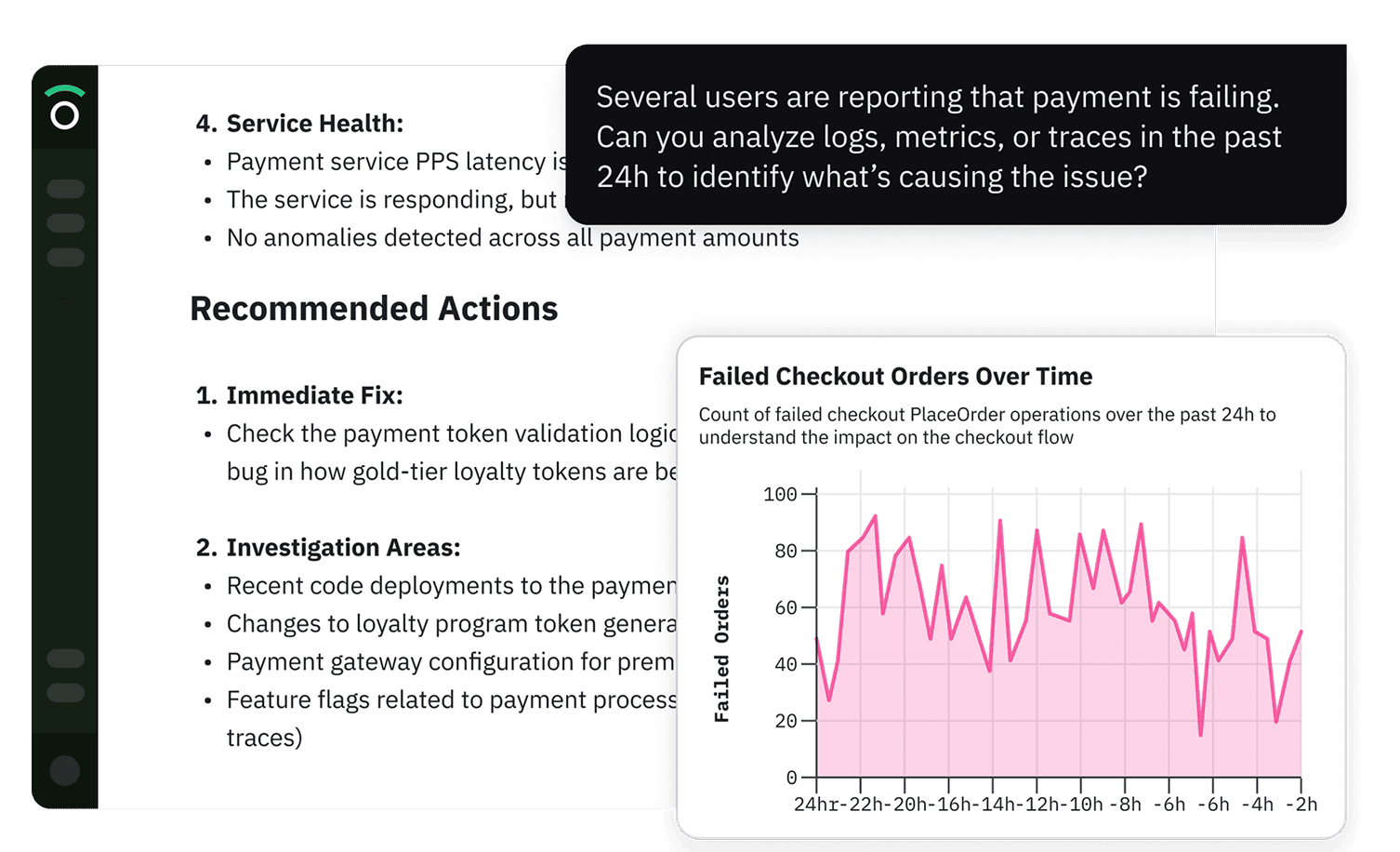
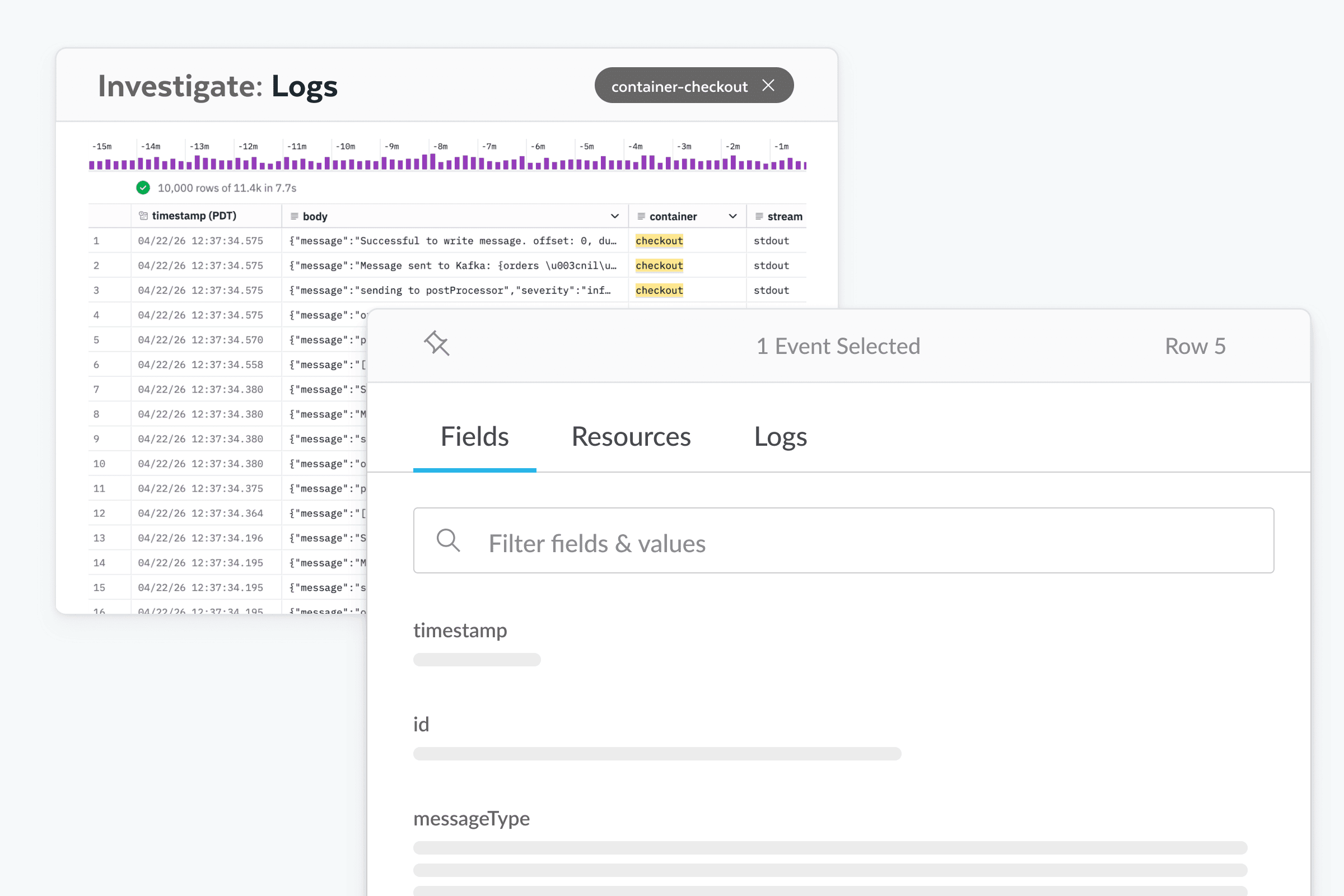
Search logs at scale
END-TO-END SERVICE VISIBILITY
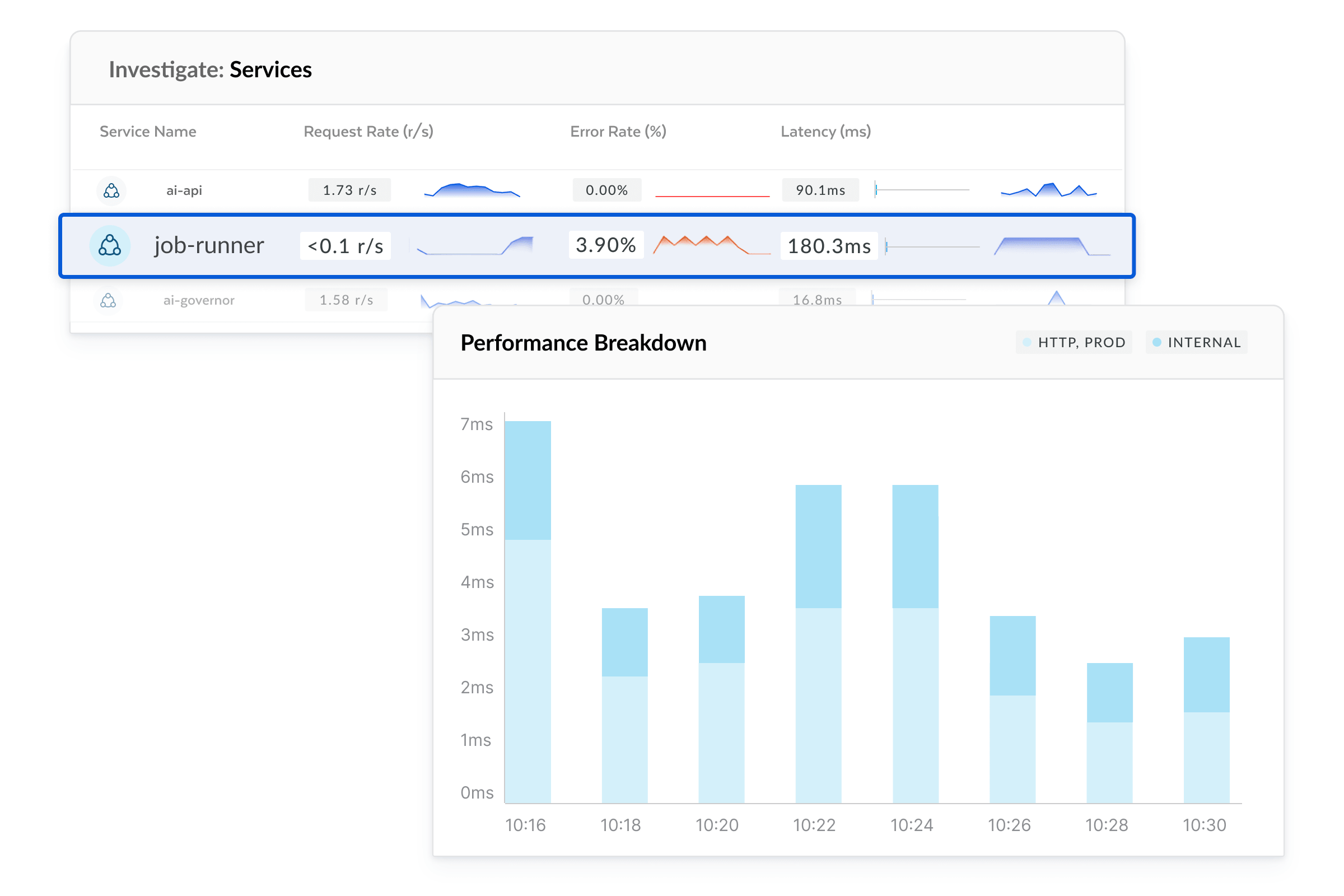
REAL-TIME SYSTEM HEALTH
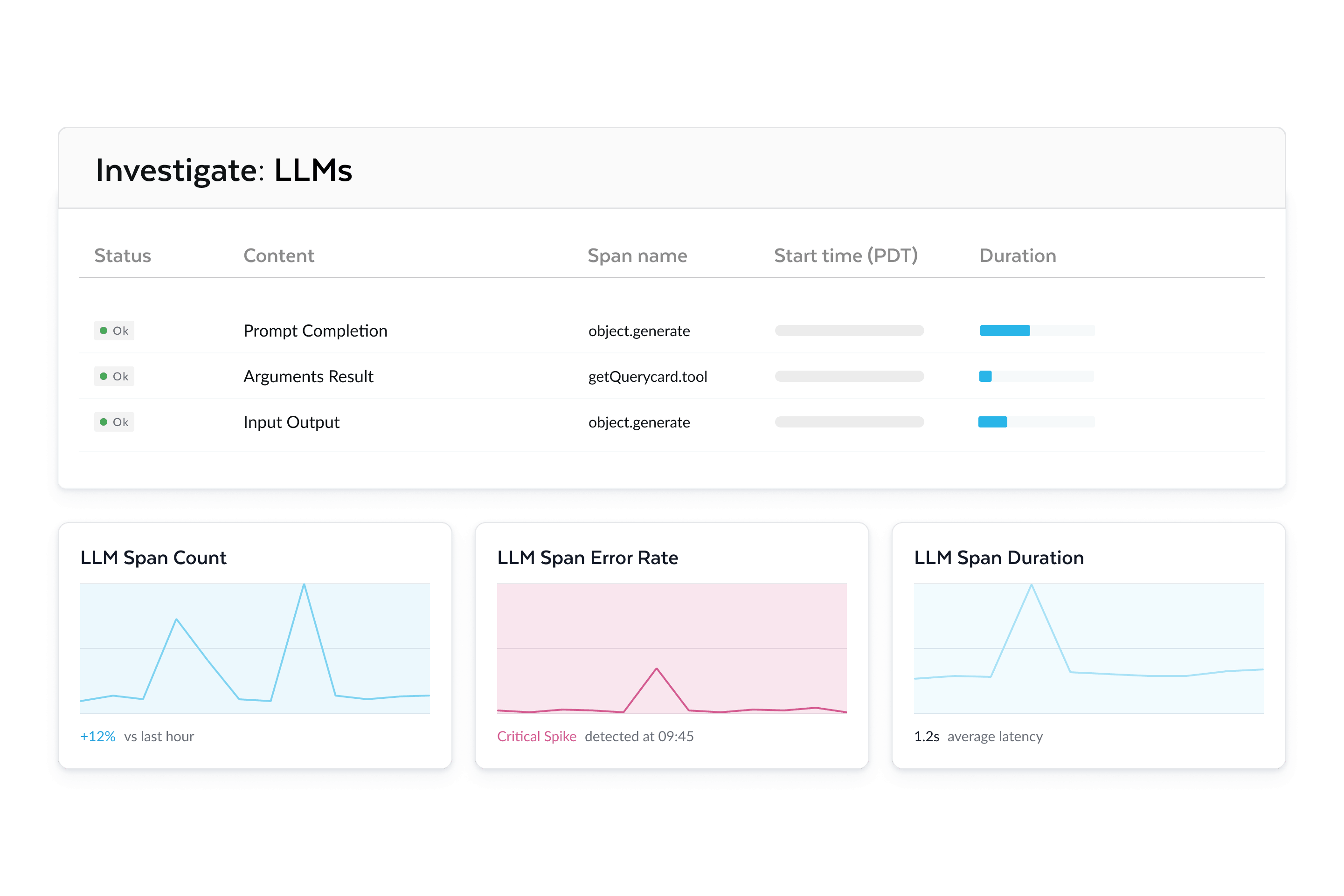
OPTIMIZE AI WORKLOADS
OUR CUSTOMERS



Resources
Video
Jeremy Burton, Snowflake GM of Observability, introduces a new model for observability built natively on the Snowflake lakehouse.
GET STARTED
Performance at scale
Faster troubleshooting
Lower cost with an open data lake

Snowflake for Observability
Your top questions about getting started with Observe by Snowflake, answered here.
Observe by Snowflake is an AI-powered observability platform built natively on a Snowflake lakehouse. It extends Snowflake’s core capabilities — compute-storage separation, cloud object storage and columnar analytics, with optimizations for real-time telemetry ingestion and analysis. Observe lets customers apply Snowflake credits toward Observe usage and manage observability data alongside the rest of their enterprise data.
No. Observe is available as a standalone solution, and you do not need to be an existing Snowflake customer to use it. While Observe is built on Snowflake’s platform, no separate Snowflake purchase is required.
Observe serves the teams responsible for building and running software applications: SREs and DevOps engineers troubleshooting incidents, application developers debugging performance and errors, and product and support teams who need visibility without writing extensive queries. The Observe UI, AI SRE, MCP server, and CLI meet each of these users in the tools they already work in.
As teams adopt agentic workflows, Observe is built to serve those agents as well. Observe provides MCP, CLI and API building blocks that allow agentic workflows to query observability data directly, so when a human or an agent investigates an incident, they have the relevant telemetry and context to act on.
There are two key architectural differences. First, Observe stores telemetry in a single Telemetry Lakehouse Foundation that separates compute from storage, lowering cost at scale and removing the retention limits common in index-based tooling. Second, the Observability Context Graph automatically connects related signals across logs, metrics, traces, code, and business context, so AI agents and engineers investigate from one unified model instead of pivoting between disconnected dashboards.
Observe’s Telemetry Lakehouse Foundation, built on Snowflake, helps customers cost-effectively ingest, retain and analyze higher volumes of telemetry data. Because data lands in low-cost cloud storage and stays hot, there’s no archiving, storage tiering or rehydrating cold data. Consolidating logs, metrics and traces at scale can often eliminate the need for multiple observability tools, reducing licensing costs and operational overhead.
An AI SRE is an AI-powered assistant that helps engineering teams troubleshoot faster by correlating telemetry data, surfacing root causes, and suggesting next steps during incidents. Observe’s AI SRE builds on this by grounding its analysis in your actual environment through the Observability Context Graph, which maps the relationships across your services, infrastructure, logs, metrics, and traces. You can access the AI SRE through a chat interface in Observe or directly from your coding agent, such as Claude or Cursor, via the MCP server.
Observe natively ingests OpenTelemetry (OTel) data, so teams can use existing OTel instrumentation and collectors, including the Observe Agent, without relying on proprietary agents. For storage, Observe supports Apache Iceberg, storing observability data in open table formats that remain accessible outside the platform. This gives organizations flexibility to analyze telemetry through Observe or with any Iceberg-compatible engine, helping reduce vendor lock-in while preserving access to their data.