Oct 12, 2026/5 min readProduct and Technology
Introducing Workday Data Cloud and Snowflake: Zero-Copy, Bidirectional Integration Now Generally Available


Enterprise HR and financial data is essential to understand how a business runs. But it doesn’t tell the full story on its own. To understand how people and financial data affect business performance, companies need to connect that data with the rest of their business. That means building pipelines, managing duplicate data and reconstructing the business context.
At Workday Rising in Las Vegas today, we are thrilled to announce that Workday Data Cloud and Snowflake's zero-copy, bidirectional integration is now generally available. The integration makes Workday data directly accessible in Snowflake through a native inbound share via Apache Iceberg™, with Workday’s semantic layer intact and governance maintained at the source. That brings people data together with the rest of your enterprise data for analytics and AI, with money data coming soon. This bidirectional integration is what turns the two great platforms into a single enterprise intelligence system.
The problems this solves
Until now, getting Workday data into Snowflake meant building a replication pipeline: Copy HR and financial data on a schedule, accept 12-to-24-hour lag, and manage the ongoing overhead of keeping that pipeline healthy. Every replicated record of sensitive data sat outside Workday’s governance model and expanded the compliance exposure surface.
AI is only as reliable as the data it draws on. A workforce agent that reasons over outdated headcount data or a financial close agent that works from a stale general ledger gives the wrong answer at the moment of decision. Enterprise AI requires current data.
Zero-copy integration is designed to deliver near real-time, governed, semantically rich access to key systems of record: Workday data is queried in place, never moved, with access governed dynamically by org, title, reporting line, and budget authority, and every action carrying its audit trail, enforced at the source. No separate governance framework to build in Snowflake, as the same controls you use for native Snowflake tables apply.
One foundation for people, finance and AI
Starting today, customers have bidirectional, zero-copy access to Workday's curated HR objects in Snowflake including Worker, Position, and Payroll data, with money data coming soon.
These are not raw database exports. They arrive with Workday’s configurable semantic layer intact, modeled to reflect the business logic that runs your organization. Agents and analysts work with governed business concepts rather than raw column names.
Combined with Cortex Agents, Snowflake CoWork and the Snowflake analytics layer, this creates something neither platform had alone: the people and money context that Workday owns, together with the AI and analytics infrastructure that Snowflake provides, in one governed environment. The integration is available today on AWS and GCP.
How it works
Workday data in Snowflake
To access Workday data in Snowflake, you create a zero-copy connector that connects to your Workday tenant, then mount the Workday Data Cloud catalog as a catalog-linked database in Snowflake. You then query Workday Data Cloud tables from your existing Snowflake account without building ETL pipelines or replicating the data.There are two ways to access Workday data in Snowflake, depending on your use case:
Workday Data Lake: Data materializes on a refresh schedule you define. You choose the catalog objects and set the frequency, and Workday handles the rest. This is the right path for analytics, AI model training and reporting where near real-time freshness is not required.
Workday Live Data Query: This runs directly against your live Workday tenant over a standard SQL connection via JDBC or Python drivers. The data is current at the moment of the query so the same access rules that govern what each person sees inside Workday apply when queried from Snowflake. For operational dashboards and AI agents that need data measured in minutes, Live Data Query is the fast lane.
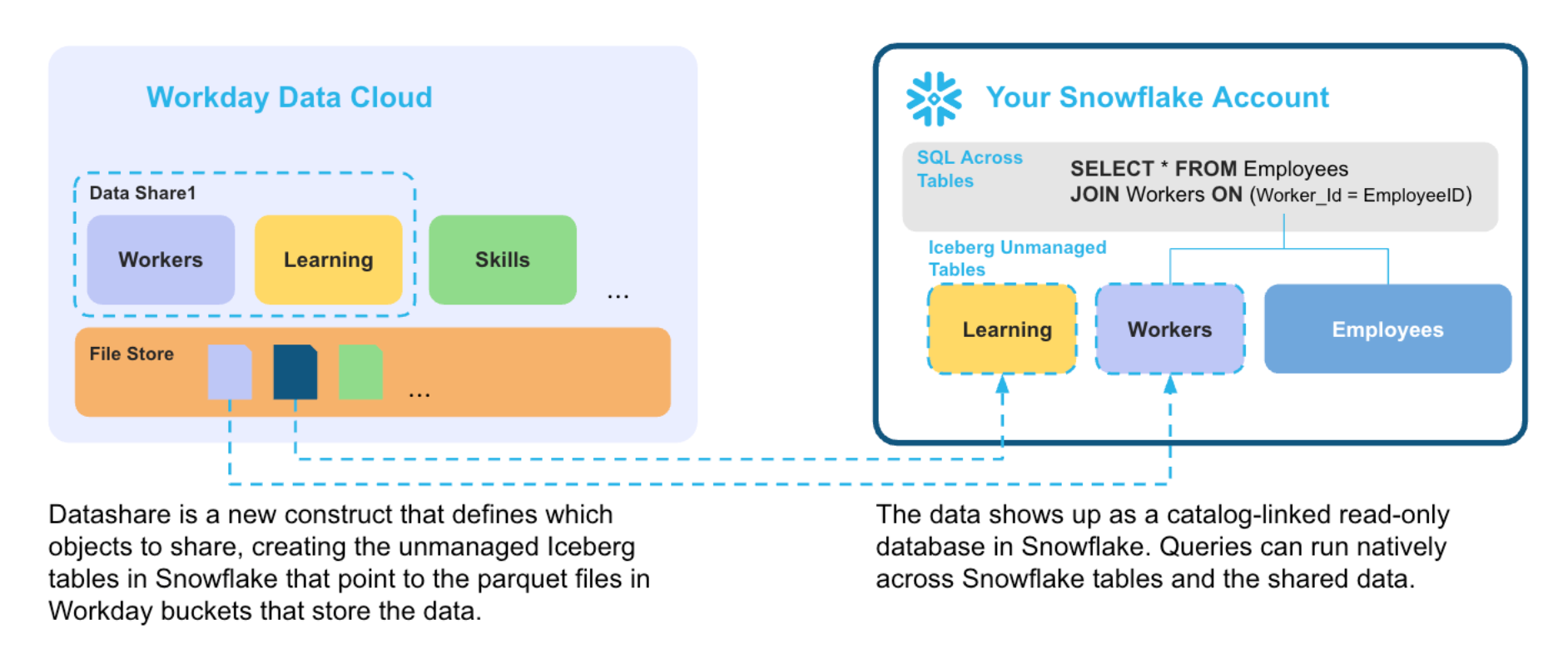
Figure 1: How it works from Workday to Snowflake.
Snowflake data in Workday
The integration also runs in reverse. Through Workday Prism Data Management, customers connect Snowflake tables to Workday as external tables, zero-copy. Those tables appear inside Workday as native data, joinable with Workday's own HR and financial records, with no ETL and no duplication.
A practical example: Sales performance data that lives in Snowflake can be connected to Workday, joined with worker data and surfaced in a Workday discovery board. A Workday agent can then help managers identify which employees need support, recommend learning modules and assign them automatically, without anyone manually cross-referencing two systems.
That closed loop is what the bidirectional architecture delivers. Data is accessible in Workday and Snowflake for AI and analytics. Snowflake insights are available in Workday for action.
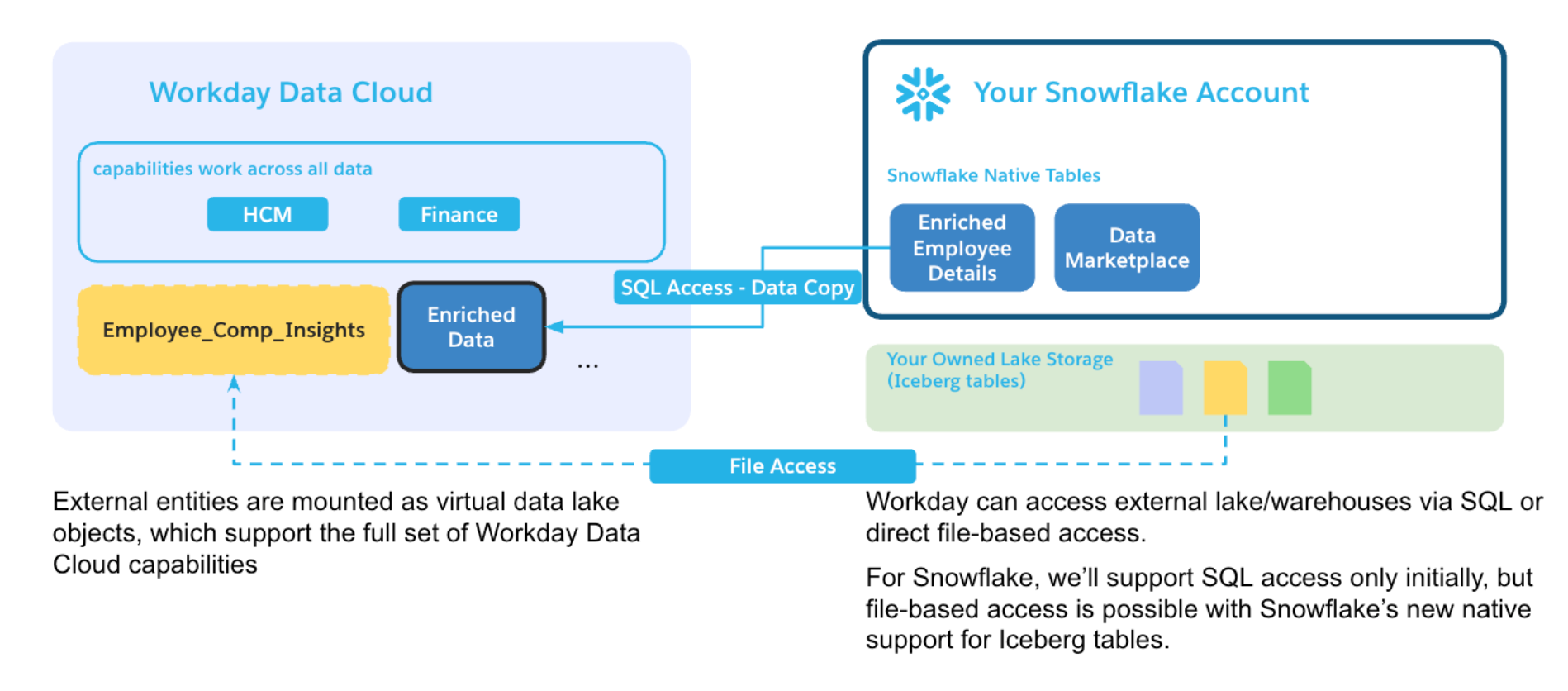
Figure 2: How it works from Snowflake to Workday.
Get started
Workday customers who have their tenant on Public Cloud are available to use Workday Data Cloud with Snowflake today. For Workday customers on Private Cloud, customers can speak with their Workday account teams to discuss an expedited upgrade to Public Cloud. Get started with CoCo today!
Join us Oct. 28 for an inside look into our bidirectional, zero-copy integration, how it works and the use cases customers put into production today.
Contact our sales team for questions.